


The Ultimate Wedding Countdown Guide
From choosing the perfect venue to the finishing touches, here’s how to bring your dream day together without losing sight of what really matters...

Planning a wedding is one of those rare occasions when hundreds of little decisions come together to create one very memorable day. From the venue and flowers to the dress, menu, music and photographs, there is plenty to organise – but having a clear plan makes the whole process much more enjoyable.
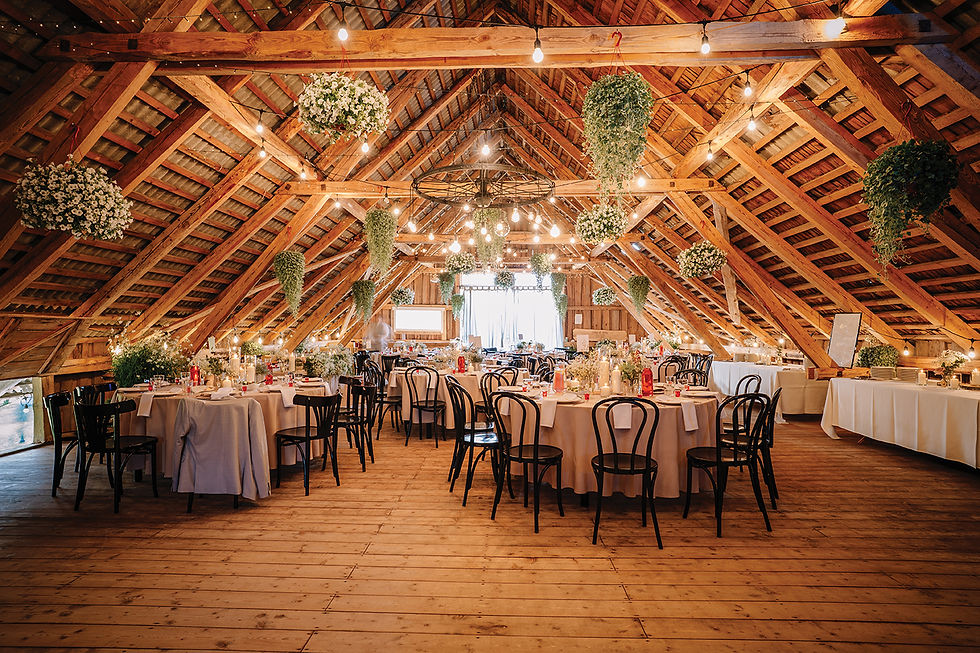
Whether you are dreaming of a grand country-house celebration, a relaxed barn wedding, an elegant city ceremony or an intimate gathering with your closest friends and family, this countdown will help you navigate the journey.
12–18 MONTHS
The first thing to do is to establish the basics. Set your budget, decide roughly how many guests you want and choose a preferred date or season. These three decisions will influence almost everything else.
Think about the atmosphere you want. Is it formal and sophisticated, relaxed and rustic, contemporary and minimalist, romantic and traditional, or something completely individual? Creating a simple mood board of colours, flowers, decor, dresses and photographs can be surprisingly useful.
Finding your venue
Your venue is likely to be the biggest influence on the look and feel of your wedding. Consider not only how it looks but also how well it works practically. Ask about capacity, ceremony and reception spaces, catering arrangements, accommodation, parking, accessibility, music restrictions, bar facilities and what furniture or décor is included. If you are planning an outdoor ceremony or reception, establish what happens if the weather changes.
Also check what time you can access the venue and when everything must be cleared away. A seemingly inexpensive venue can become considerably more expensive once you add furniture, lighting, catering, staff, décor and entertainment.
For couples marrying in England and Wales, remember that the legal ceremony arrangements are separate from simply booking a venue. For a civil ceremony, the venue must be approved, and a registrar must carry out or attend the ceremony. You will also need to give notice, so factor the legal requirements into your planning from the outset.
Once your venue and date are secured, consider wedding insurance and keep all contracts, quotes and payment schedules together.

12–9 MONTHS
The most sought-after photographers, videographers, bands and other wedding professionals can become booked well ahead, particularly for popular summer Saturdays.
Photography and film
Look beyond a photographer's favourite portfolio images. Do you like their overall style? Do they capture natural moments or create highly posed images? Will they photograph the details as well as the people?
Think about whether you want a videographer too. Years later, being able to hear a parent's speech or watch your first dance can be priceless.
Flowers and styling
Now is the time to develop your style direction. Choose a colour palette, but don't feel obliged to restrict yourself to two or three shades. Consider how colours will work with the venue, flowers and table settings.
Florals can range from abundant arrangements to simple seasonal blooms, while foliage, dried flowers, candles, ribbons and branches can all add atmosphere without relying solely on flowers.
Think vertically as well as horizontally. Hanging installations, arches, statement lighting and tall centrepieces can transform a room, while smaller details such as napkins, menus, place cards and glassware create cohesion.

9–6 MONTHS
Attire
Start shopping for your wedding dress with enough time for ordering, fittings and alterations. Don't be afraid to try styles you hadn't initially considered. The dress that looks wonderful on a hanger may not be the one that feels right when you put it on.
Consider the whole look: veil, shoes, jewellery, hair accessories, lingerie, coat or cape and a possible evening outfit.
For suits, think beyond the traditional black or navy. Tweed, velvet, linen and softer tailoring can work beautifully depending on the season and venue. Grooms and ushers can also introduce personality through ties, pocket squares, waistcoats or even socks!
Bridesmaids and attendants don't necessarily have to match perfectly. Different styles in the same colour palette can look sophisticated while allowing individuals to choose something that suits them.
Hair and beauty
Book your hair and make-up team and arrange a trial. Take photographs during the trial, ideally in natural light, and consider how the look works with your dress and accessories.
Don't leave beauty treatments until the last minute. If you are considering beauty aesthetics, a new hairstyle, colour or skincare treatment, experiment well in advance rather than just before the wedding.
Food and drink
Choose a menu that reflects you rather than simply following tradition. Consider canapés, sharing plates, food stations, a formal three-course meal, barbecue, street food or a late-night supper. Don't forget vegetarian, vegan, allergy-friendly and children's options.
Drinks deserve attention too. Decide whether you want a cocktail, champagne or sparkling wine reception, wine with the meal, a signature drink, and plenty of appealing non-alcoholic options.
And then there is the cake. Traditional tiers remain popular, but couples can also choose dessert tables, individual cakes, cheesecakes, doughnuts or smaller cutting cakes alongside other desserts.

6–3 MONTHS
This is when the wedding begins to feel real. Send invitations, finalise the guest list and keep track of RSVPs. Your stationery should complement the overall style, from the invitations and menus, table plans and thank-you cards.
Think about the guest experience. Is there clear information about accommodation and transport? Are there elderly guests who need easy access? Will children be attending? Is there somewhere comfortable for guests to sit between dancing and dinner?
Now finalise your entertainment. A live band can create wonderful energy, while a DJ offers a huge range of music. You might also consider acoustic musicians for the ceremony or drinks reception.
Plan the speeches and decide who is speaking. Good speeches don't have to be long; thoughtful, personal and entertaining usually wins over lengthy.

THE FINAL EIGHT WEEKS
By now, major decisions should be complete. Confirm suppliers, timings and guest numbers. Finalise the seating plan and dietary requirements.
Have a detailed running order for the day, including ceremony, photographs, reception drinks, dinner, speeches, cake cutting and dancing. Give copies to the venue, wedding party and key suppliers.
Arrange transport and check accommodation for yourselves and important guests. Confirm who is responsible for rings, gifts, cards, cake, flowers and personal belongings.
It's also worth creating a small emergency kit containing plasters, safety pins, tissues, stain remover, sewing essentials, painkillers, deodorant, and anything else you might need.
THE FINAL WEEK
Have your final dress or suit fitting, collect anything that needs collecting and make sure suppliers have the correct timings and contact details. Prepare your wedding-night and honeymoon luggage and ensure passports and travel documents are safely organised if you are travelling afterwards.
Delegate. Give trusted friends or family responsibility for answering supplier questions on the day so you aren't constantly interrupted. Most importantly, get some rest.

THE DAY ITSELF: ENJOY IT!
There will almost certainly be something that doesn't go exactly according to plan. A button may come loose, the weather may change, or somebody may arrive late – it doesn't matter.
The purpose of all the months of planning is to celebrate your relationship with the people who matter most. So, take a moment to look around. Notice the flowers, the music, the laughter, the people sitting around the tables and most importantly – the person you are marrying.
The most memorable weddings aren't necessarily the most expensive or elaborate – they are the ones that feel personal and welcoming.


Comments